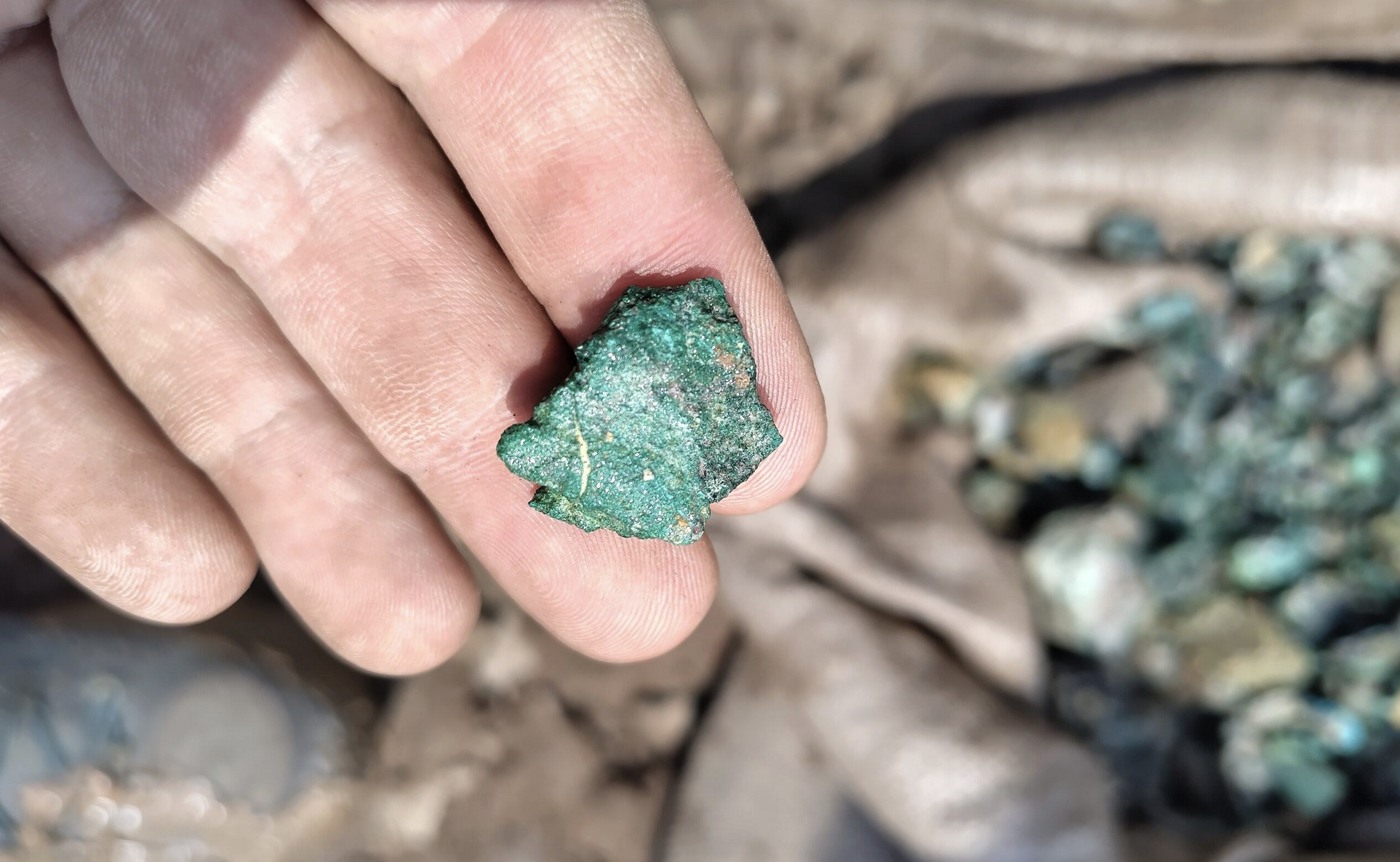
This project's goal is to assess the environmental and health impacts of large-scale copper and cobalt mining.
This project investigates the environmental and public health impacts of large-scale copper and cobalt mining in the Democratic Republic of Congo, a region that supplies the majority of the world’s cobalt used in electric vehicle batteries. This initiative is carried out in collaboration with RAID, Afrewatch, and the University of Lubumbashi.
The Democratic Republic of Congo is the world’s largest producer of cobalt, supplying roughly three quarters of global production. Cobalt is an essential component of lithium-ion batteries, which are used in electric vehicles and electronic devices.As the demand for cobalt continues to grow with the global energy transition, mining activities in the country’s Copper-Cobalt Belt – and particularly in Kolwezi and surrounding regions – have rapidly expanded over the last 15 years. While the scientific community is working to identify sustainable alternatives to cobalt in batteries, its demand is expected to remain high in the medium term.
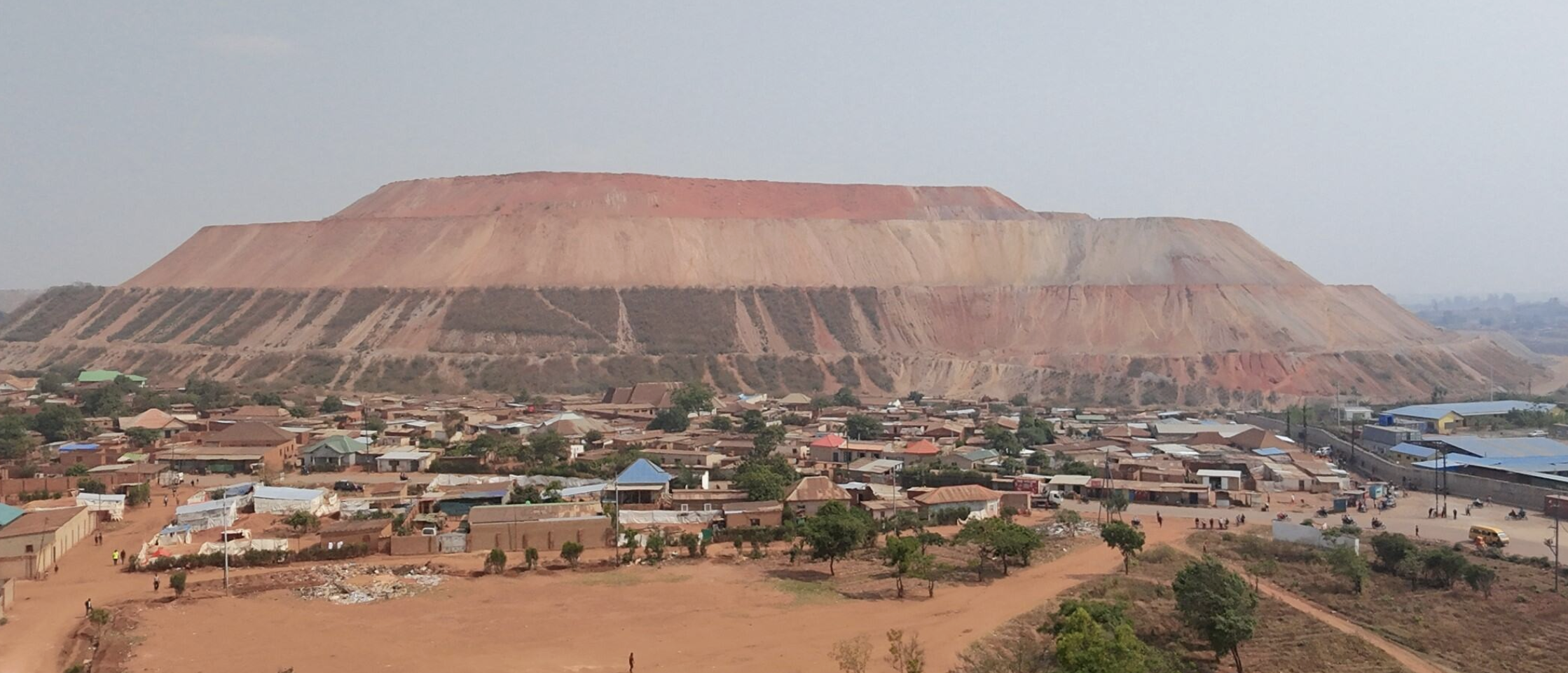
The Democratic Republic of Congo is the world’s largest producer of cobalt, supplying roughly three quarters of global production. Cobalt is an essential component of lithium-ion batteries, which are used in electric vehicles and electronic devices.As the demand for cobalt continues to grow with the global energy transition, mining activities in the country’s Copper-Cobalt Belt – and particularly in Kolwezi and surrounding regions – have rapidly expanded over the last 15 years. While the scientific community is working to identify sustainable alternatives to cobalt in batteries, its demand is expected to remain high in the medium term.
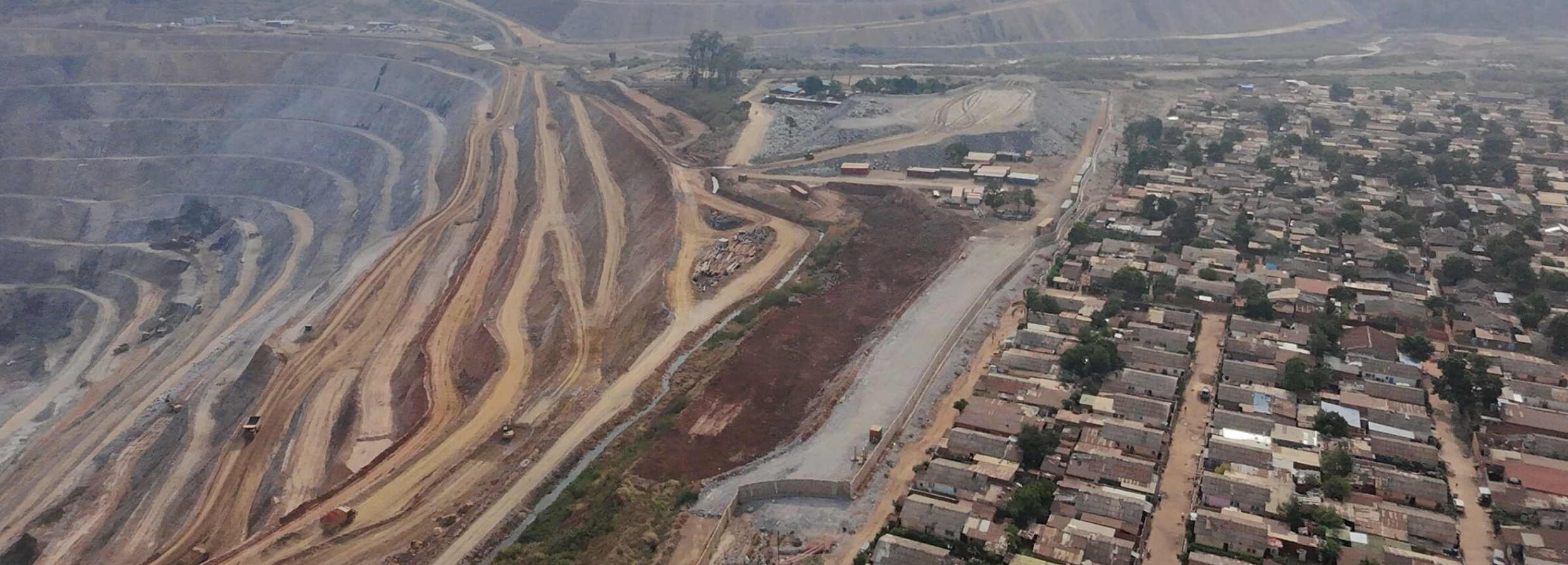
Photo taken by Flaviano Bianchini during the first campaign.
In 2025, Source International joined forces with RAID, Afrewatch, and the University of Lubumbashi to strengthen the evidence base on environmental pollution in the Copper–Cobalt Belt. During the first joint campaign (October 2025), we focused on air monitoring, a topic that has been overlooked by previous publicly available studies. We also collected water and sediment samples to complement the campaign from the University of Lubumbashi.We worked across several communities, including Kolwezi, the Mutshatsha Territory, and Fungurume.