Courts require scientific evidence to rule that a company is harming the environment and the people who live nearby. Source International a group of environmental scientists that provides the evidence communities need to assert their human rights.
Illegal pollution from industries that cause major changes to the environment and create toxic waste severely damage the earth and cause deadly health problems in surrounding populations. Our studies illustrate environmental damage, and connect this damage to polluting companies and to human rights abuses.
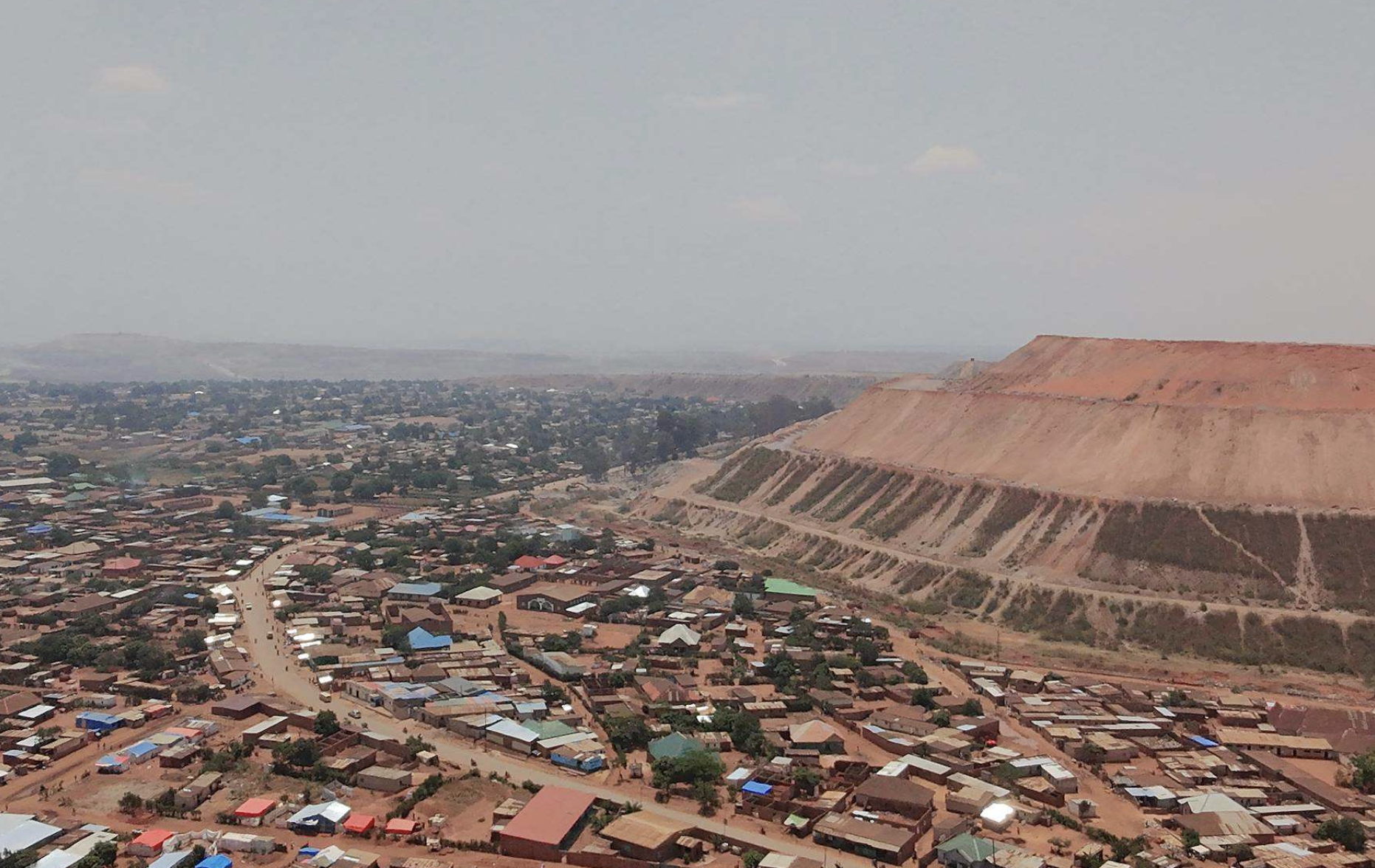
Heavy metals from illegal mines contaminate air, water, and soil, which poison local community members and lead to severe health problems. Mines also redirect water, which is essential to people’s livelihood.
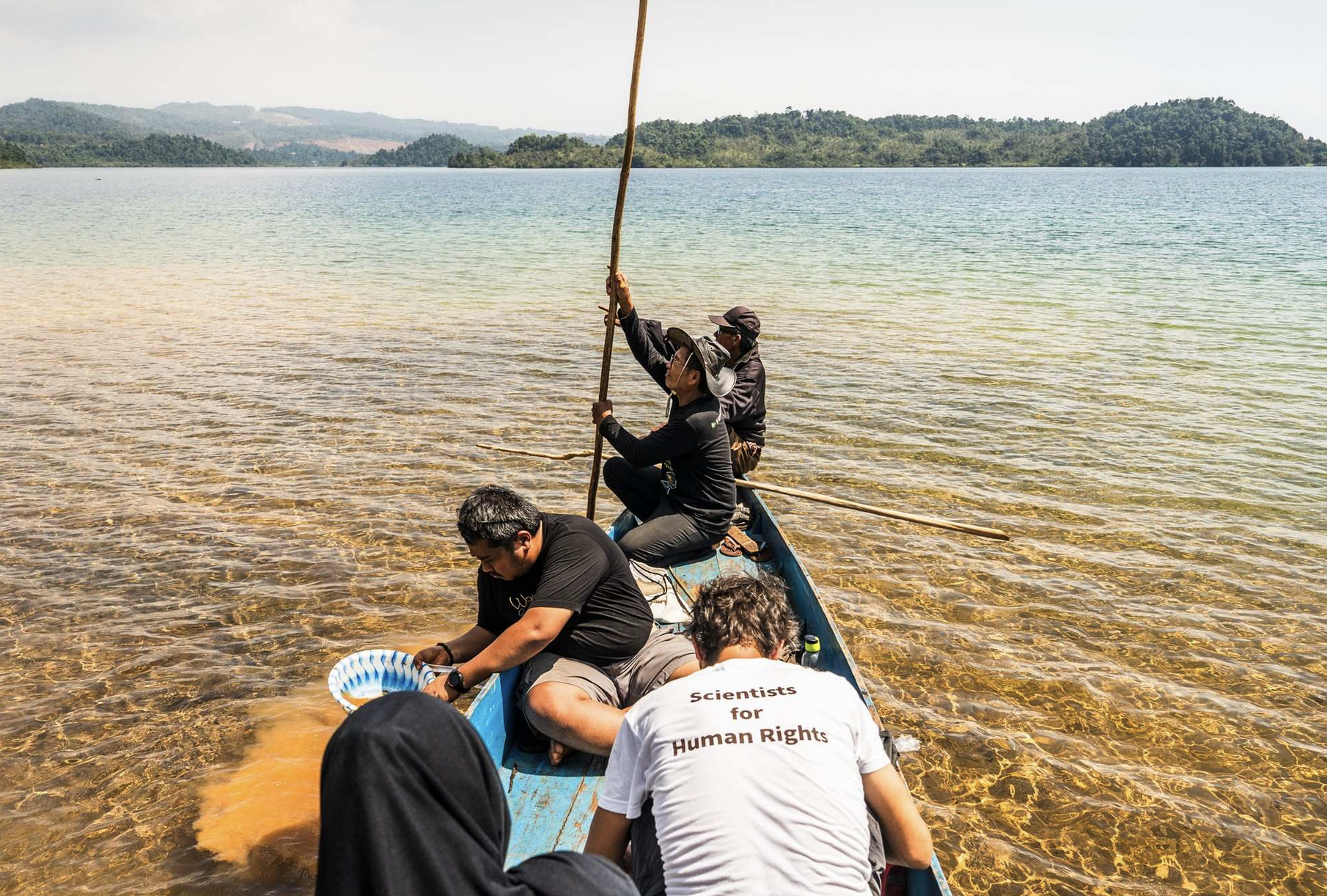
To prove that mines are responsible for this damage, we measure chemical levels in soil, air, water in surrounding areas, and in the blood and hair of people who live nearby. We also develop human rights impact assessments to assess further damage caused by this pollution.
Large monocrop plantations redirect large quantities of water from rivers, which destroys delicate ecosystems, takes away the livelihood of local agrarian communities, and leaves these communities with unsanitary water.
To prove that agribusiness companies are responsible for this damage, we measure the levels and chemical makeup of water surrounding plantations. We also perform human rights impact studies to illustrate the human impact of these practices.
Factories that use heavy chemicals contaminate water, soil and crops, which results in health problems for people nearby. We show the impacts of illegal pollution from factories by measuring heavy chemicals in soil and water.
Citizen science helps communities, schools and local groups generate environmental evidence about the places they live in. In these projects, Source International combines field measurements, participatory monitoring and local knowledge to study climate and environmental changes, from glacier retreat and water resources to sustainable tourism and land use. This section collects reports, training materials and tools developed to make scientific data accessible, reliable and useful for local action.
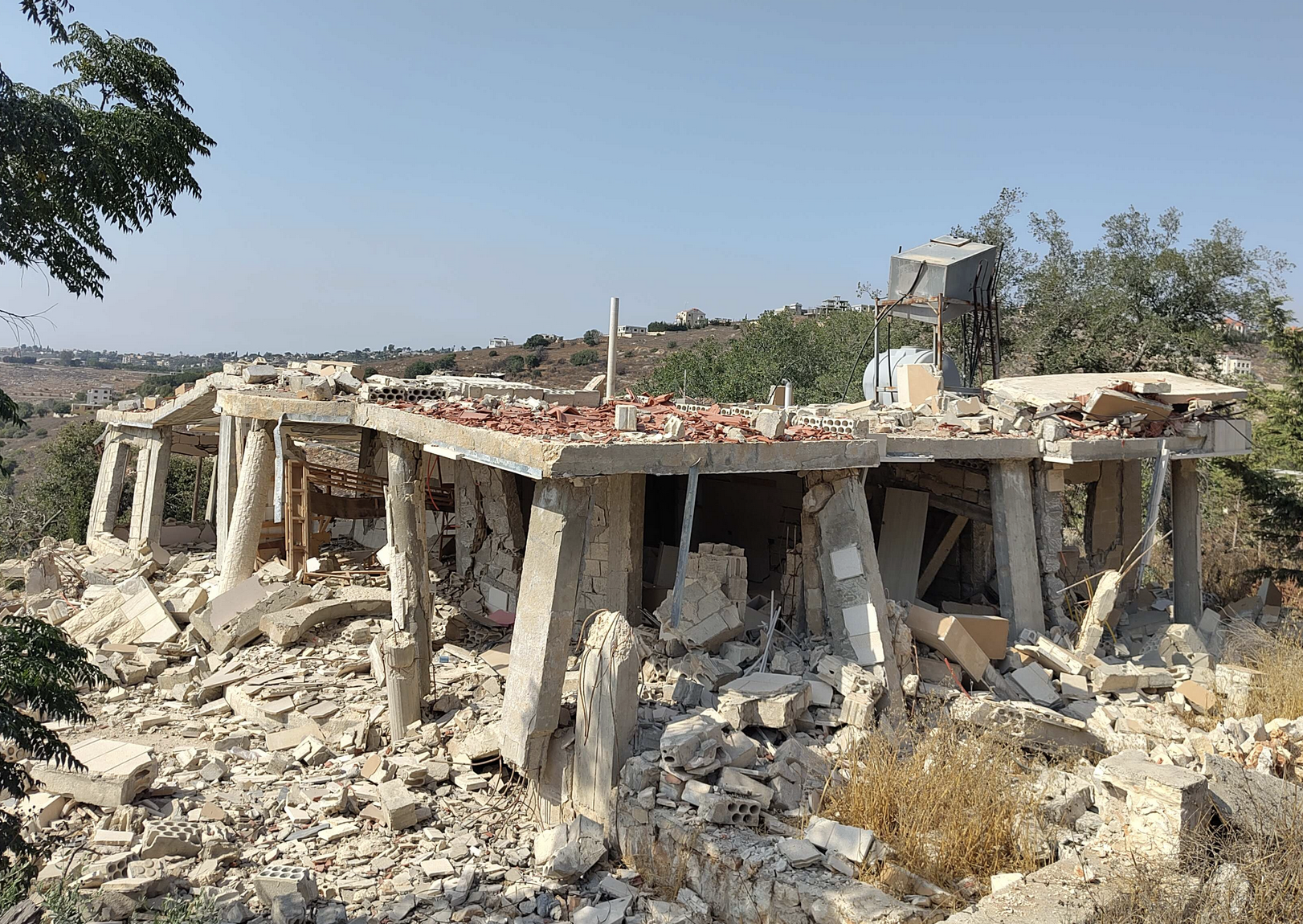
Armed conflicts leave a toxic legacy in the environment. Explosions, fires, damaged infrastructure, military waste and weapon residues can contaminate air, water and soil, affecting communities and ecosystems long after the fighting ends. We document this pollution through independent environmental monitoring, producing scientific evidence to support accountability, remediation and environmental justice.