
This project's goal is to assess the soil contamination due to military operation in South Lebanon and its effects on the agricultural sector.
Amid escalating military operations and environmental devastation, the Janoub Soil Monitoring project aims to assess the extent of soil contamination in South Lebanon and its impacts on the traditional agricultural sector. Born as a partnership among Amel Italia, Amel Association International, and Source International, this initiative will contribute to building a database of war-related agricultural impacts in South Lebanon and inform further work on restoring agricultural production.
Since October 7, 2023, the southern regions of Lebanon have been severely impacted by Israeli attacks, resulting in widespread destruction of homes, infrastructure, agricultural land, and natural ecosystems.
More than one-third of the local population has been forcibly displaced.Beyond the visible damage, there is increasing concern about the environmental toll of the conflict - especially the possible use of banned weapons such as white phosphorus and depleted uranium. Fires, explosions, and military residue may have introduced hazardous substances into the soil, water, and air, posing long-term risks to human health, food security, and ecological resilience. Yet, no structured environmental monitoring assessing the scope of this contamination has been published, and this is why the Janoub Soil Monitoring seeks to fill this critical gap.
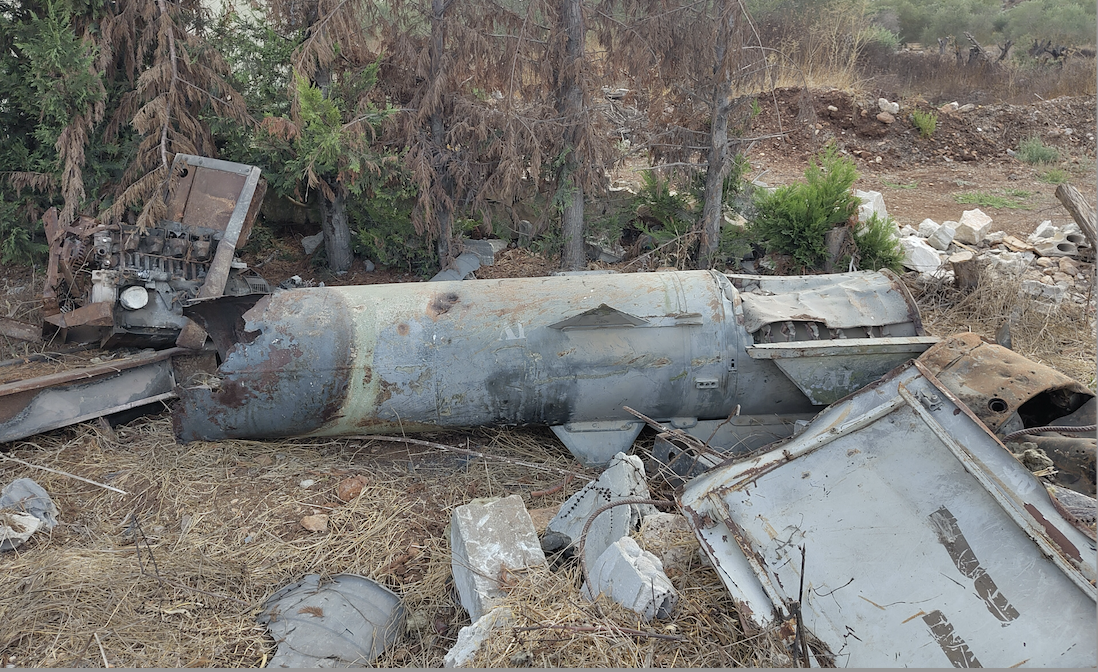
Photo taken by Flaviano Bianchini during the first campaign, that took place in Governorate of El Nabatieh in August 2025.
The project’s pilot phase – Turabna – aims to develop a robust methodology to investigate key soil pollutants – particularly heavy metals and substances associated with the use of white phosphorus – and to understand the risks these contaminants pose to agricultural communities living in, or returning to, conflict-affected areas.
By generating concrete evidence of environmental degradation, the project also seeks to support the development of targeted humanitarian interventions and inform long-term decontamination strategies.
The pilot includes: a land contamination survey, designed by Amel Italia and implemented on the ground by Amel Association International, to identify priority sites for soil sampling; a field campaign to collect soil samples for chemical analyses.
The findings will be compiled into a comprehensive set of outputs, including a detailed technical report, geographic maps, and visual infographics. These results will be shared through a coordinated communication and advocacy effort, designed to inform policy, support fundraising, and ensure that both local stakeholders and the broader humanitarian community have access to reliable, actionable data.
In August 2025, Source International joined Amel Italia and Amel International in the first campaign on the ground. The team collected 40 soil samples from private and public spaces located in the Governorate of El Nabatieh – including gardens, crop fields, and unused soils. The samples are currently being analyzed for key indicators of war-related pollution, including heavy metals like lead, cadmium, nickel, and uranium, and proxies for white phosphorus.
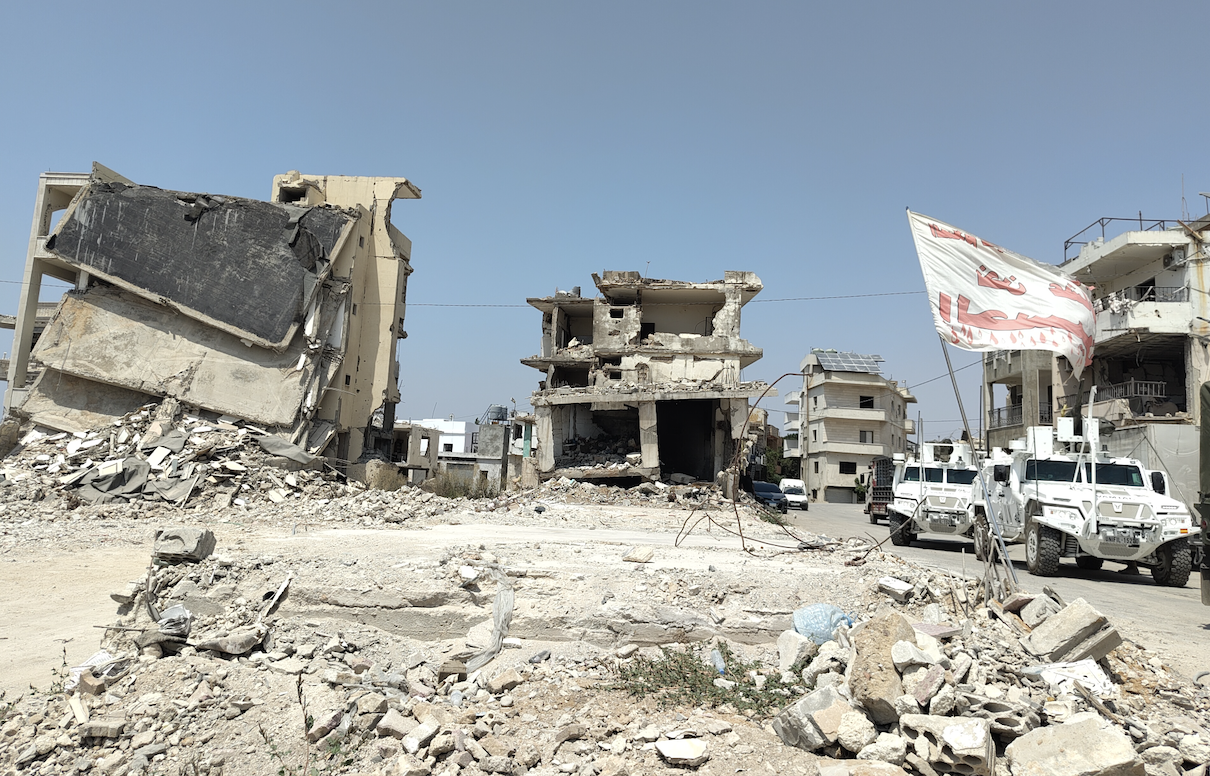
Photo taken by Flaviano Bianchini during the first campaign, that took place in Governorate of El Nabatieh in August 2025.


