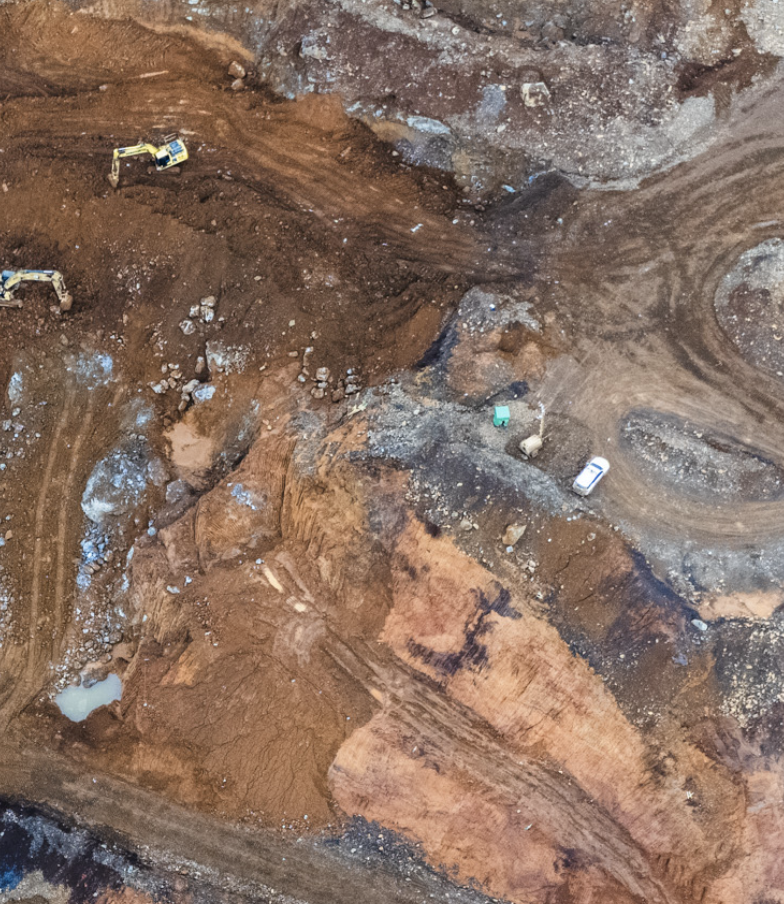
The results of our first independent environmental assessment of South and Central Sulawesi, Indonesia - one of the world’s most important hubs for nickel extraction and processing - is now available to download and read! The study, conducted in collaboration with Friends of the Earth Japan and WALHI South Sulawesi, provides new scientific evidence on water and sediment contamination linked to the rapidly expanding nickel industry.
Indonesia produces more than half of the world’s nickel, a metal considered essential for electric vehicle batteries and the global green energy transition. Yet the accelerated development of mines, smelters and industrial parks has generated severe environmental and social pressures. The May 2025 field campaign by Source International reveals widespread heavy-metal contamination in Sorowako and Morowali, with sediments showing critical levels of nickel, chromium, and cobalt.
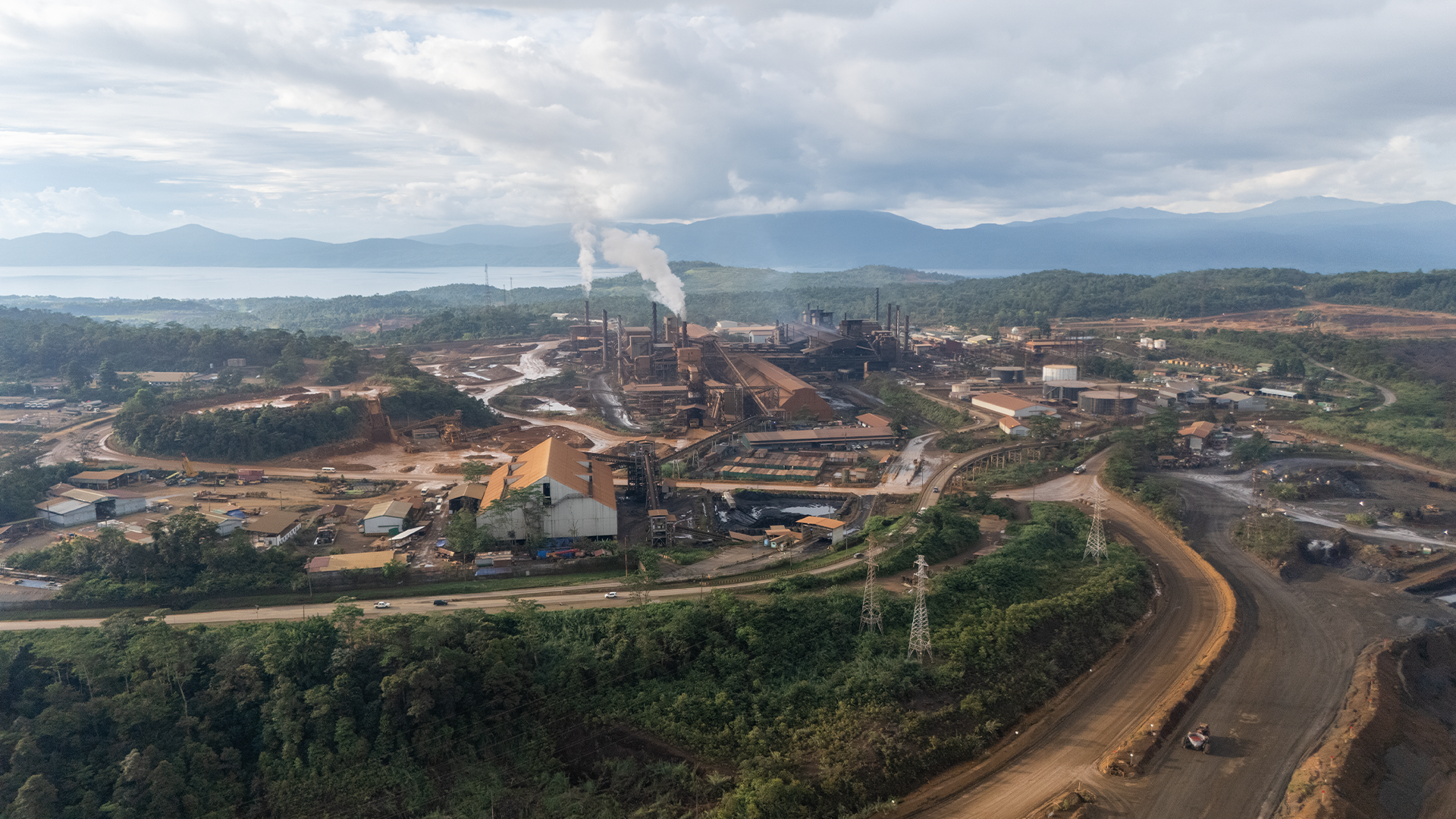
Some of the most alarming figures emerge from areas surrounding the Indonesia Morowali Industrial Park (IMIP) in Labota, where manganese concentrations in water exceeded Indonesia’s Environmental Quality Standards by up to 200 times. In Sorowako, two sites downstream of PT Vale Indonesia’s mining area recorded hexavalent chromium values of 80 µg/L, above the national Class III Environmental Quality Standard.
Sediments tell an even more concerning story: nickel levels were 10-200 times above the Canadian Probable Effect Level, while chromium exceeded the same international guidelines by 2-20 times. Even considering the particularly high background of this area, due to the laterite geology, the most concerning values of concentration are collected in the areas closer to mining and processing facility.
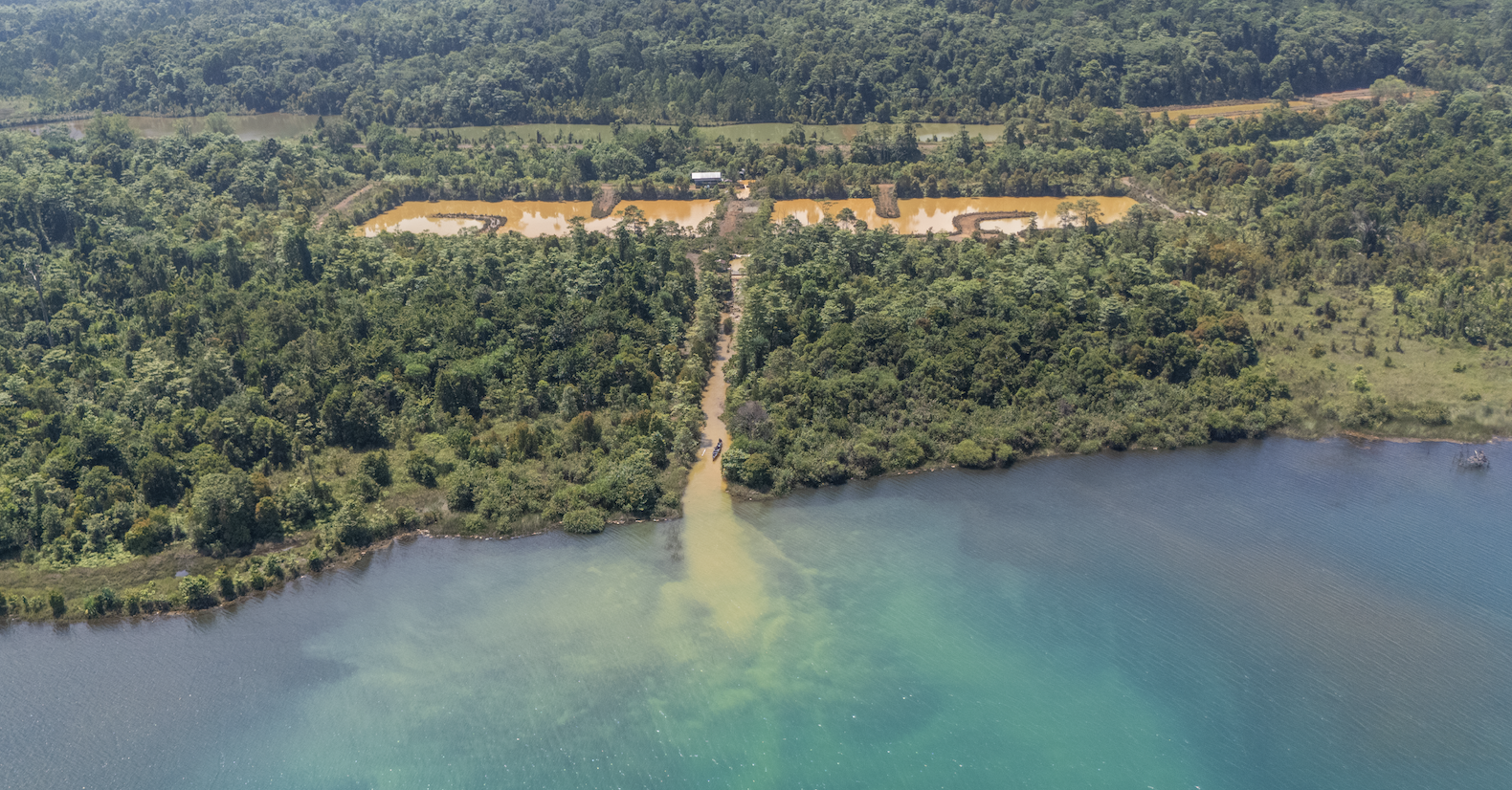
These metals - particularly nickel compounds and hexavalent chromium - are known carcinogens and pose risks to both human health and the region’s unique biodiversity, including Lake Matano and Lake Mahalona and the Coral Triangle marine ecosystem.
The findings reinforce the urgent need for stronger environmental oversight, improved industrial practices, and international accountability across the EV battery supply chain.
Read the full report here.
Photo credits: Stefano Sbrulli for Source International