Field investigations in Sorowako and Morowali reveal heavy-metal contamination, air and water pollution and significant human rights concerns, highlighting the need for stronger due diligence across global nickel and EV supply chains.
Source International and partner organisations have released a new investor briefing examining the environmental, social and legal risks associated with Indonesia’s rapidly expanding nickel industry.
Adverse impacts in the Indonesian nickel supply chain focuses on two of the largest nickel mining and refining operations on the island of Sulawesi: PT Vale Indonesia Tbk in Sorowako, South Sulawesi, and the Indonesia Morowali Industrial Park (IMIP) in Central Sulawesi.
The briefing is based on field investigations conducted in May and November 2025 by Source International, Swedwatch, WALHI South Sulawesi, WALHI Central Sulawesi and Friends of the Earth Japan. Source International carried out independent environmental monitoring using field instruments and analyses performed by accredited laboratories, measuring heavy metals in water, sediments and airborne dust, as well as particulate matter and potentially harmful gases in the air.
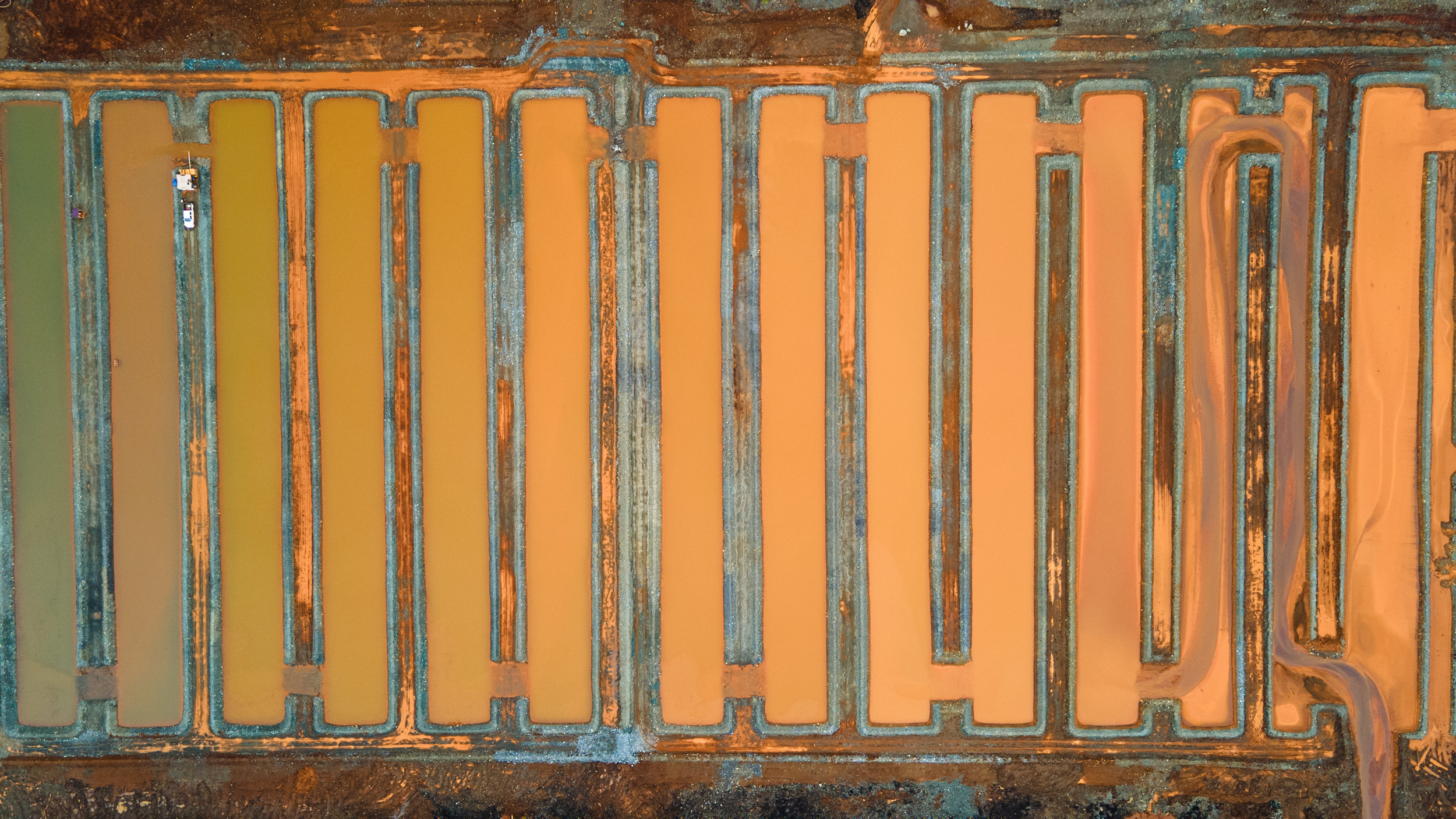
In Sorowako, where PT Vale Indonesia operates a large open-pit nickel mine and smelter, investigations identified widespread heavy-metal contamination.
Hexavalent chromium (classified as a human carcinogen) exceeded Indonesian legal limits at several locations. At one stream flowing towards Lake Matano, researchers measured 530 µg/L of hexavalent chromium in November 2025, more than ten times the Indonesian legal limit of 50 µg/L.
High concentrations of nickel and manganese were also detected in water, while sediments showed persistent contamination by nickel, chromium and cobalt. Lake Matano, which is recognised as a global Key Biodiversity Area due to its high number of endemic species, is among the environments potentially affected.
The briefing also documents longstanding concerns related to the rights of the Karunsi’e Dongi Indigenous community, flooding affecting local farmers and consultation around planned mining expansion.
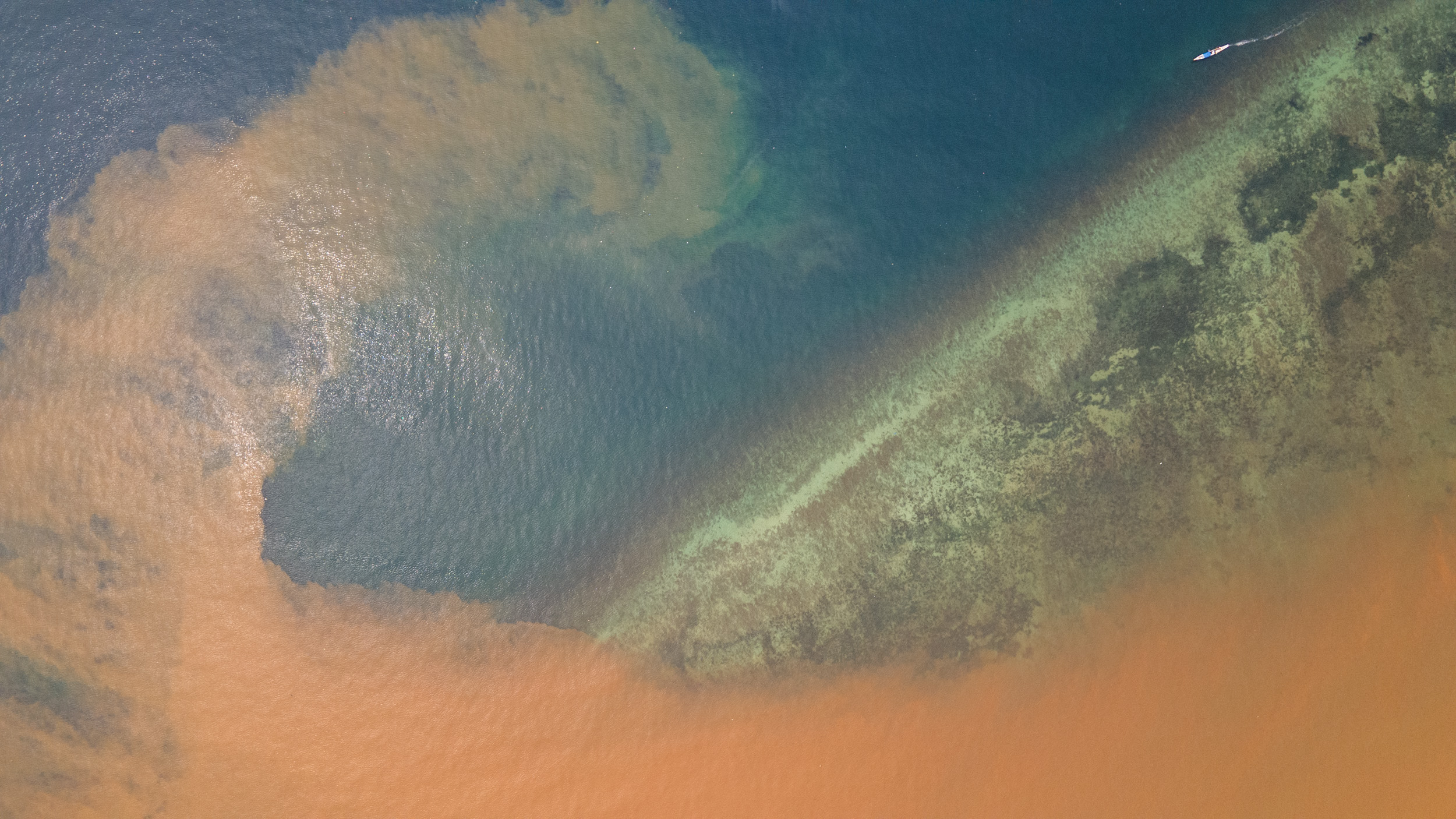
At the Indonesia Morowali Industrial Park - a vast industrial complex hosting more than 50 companies and powered by approximately 5.5 GW of coal-fired generation - investigators also found significant environmental contamination.
PM2.5 exceeded Indonesian legal limits at two of the three sites tested in November 2025 and WHO guidelines at all three locations. Water collected from a river crossing the industrial area contained illegal levels of nickel, copper and selenium, while manganese reached 11,000 µg/L, 110 times the legal limit.
Sediment samples from the same location contained arsenic, cadmium, chromium, copper, lead, mercury, nickel and zinc above the Canadian environmental guidelines used for comparison.
The briefing also brings together documented concerns over labour conditions, worker safety and local livelihoods, including reports of forced-labour indicators among parts of the workforce and recurring fatal workplace incidents.
Nickel produced in Sulawesi has been reported as entering global battery and electric-vehicle supply chains. The briefing therefore examines the potential implications of these findings for companies and financial actors exposed to the sector.
It highlights growing expectations around supply-chain traceability and human rights and environmental due diligence and analyses relevant European legislation, including the EU Battery Regulation, Forced Labour Regulation and Corporate Sustainability Due Diligence Directive.
The briefing calls on investors to use their leverage with mining companies, industrial park operators, battery producers, automotive manufacturers and other portfolio companies to improve transparency and traceability, prevent environmental and human rights harms, ensure meaningful participation by affected communities and provide effective remedy when impacts occur.
The report also stresses a wider point: investors can influence not only how minerals are extracted but how much primary extraction is required. Capital directed towards circularity, recycling, resource efficiency and lower-material-intensity infrastructure can help reduce the environmental and social pressure associated with growing demand for critical minerals.
The briefing was developed by Source International together with Swedwatch, WALHI, Friends of the Earth Japan and the Swedish Society for Nature Conservation, building on field investigations carried out with WALHI South Sulawesi and WALHI Central Sulawesi.