The ICC brings environmental destruction into the core of atrocity prosecutions
On 4 December 2025, the Office of the Prosecutor of the International Criminal Court (ICC) launched its Policy on Addressing Environmental Damage Through the Rome Statute during the Assembly of States Parties in The Hague. For the first time, the Court has set out a comprehensive framework for how acts causing large-scale environmental harm can be investigated and charged when they intersect with genocide, crimes against humanity, war crimes or aggression.
No new crime – but a new way of building cases
The Policy does not create a new offence and does not amend the Rome Statute. Instead, it explains how existing provisions can apply when ecosystems are deliberately targeted or manipulated as part of criminal conduct.
Examples include the destruction or contamination of land and water with the intent to destroy a protected group, which may be examined as genocidal conduct or the environmental damage forming part of a widespread or systematic attack on civilians, which may amount to crimes against humanity such as persecution, extermination or forcible transfer.
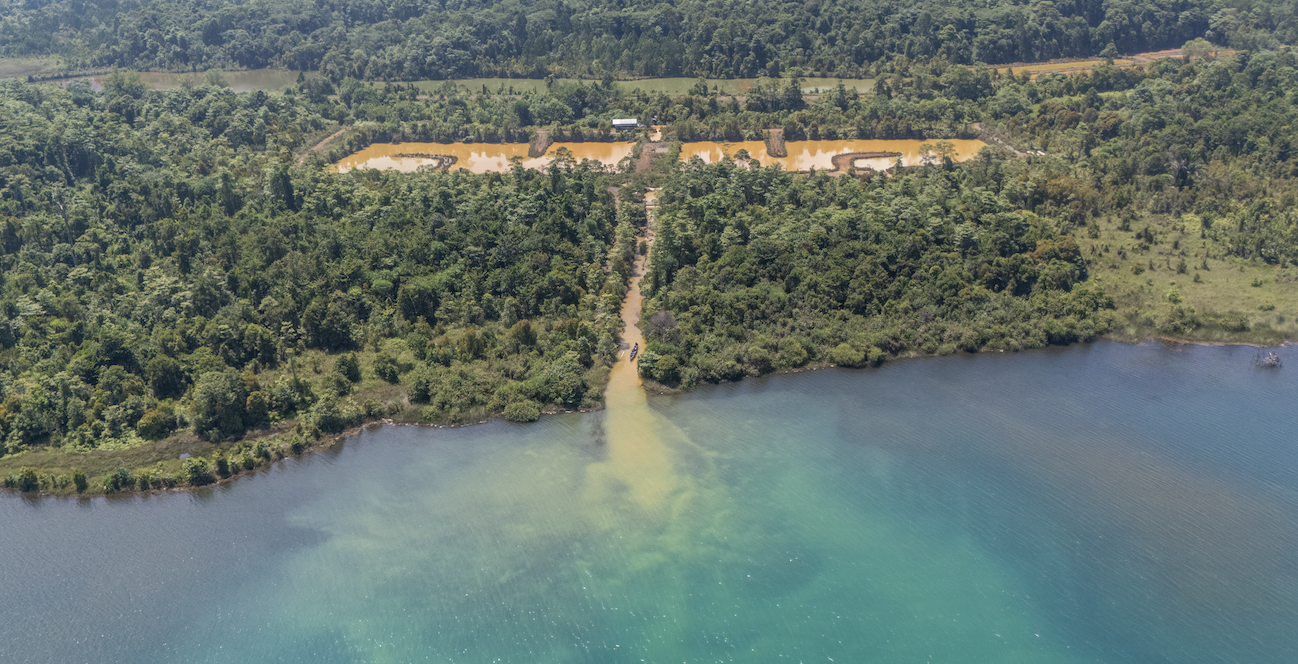
The Prosecutor also confirms that environmental factors will be considered across the entire case cycle: from preliminary examinations and risk assessments to investigative strategy, charging decisions, trial presentation and reparations submissions.
Science, vulnerability and corporate responsibility
Operationally, the Policy places strong emphasis on scientific evidence and environmental forensics. Potential sources of proof include satellite imagery, geospatial analysis, forensic soil and water testing, and corporate supply-chain documentation, combined with the testimonies of affected communities on how ecological destruction has impacted their survival, health and livelihoods.
The document underlines that environmental harm disproportionately affects Indigenous Peoples, women, children and impoverished communities who depend directly on land and water. These patterns of vulnerability will be considered when assessing gravity and harm, and when consulting victims – including children and youth – in line with the ICC’s existing policies.
While corporations as legal persons remain outside the Court’s jurisdiction, the Policy explicitly states that individual business executives and decision-makers may be investigated where corporate activity knowingly contributes to Rome Statute crimes. The Office signals that financial and supply-chain investigative methods already developed by the ICC will be extended to environmental dimensions, including tracing raw materials sourced from conflict zones or areas controlled by armed groups.
A new opening for communities living in extractive frontiers
In many of the ICC’s situation countries – from the Democratic Republic of the Congo and the Central African Republic to Darfur and beyond – control over land, water and mineral resources is not peripheral but central to how armed groups and security forces operate.
For communities living next to mines, oil facilities and industrial sites in conflict-affected regions, the new Policy sends an important signal: environmental destruction is no longer treated as a mere backdrop to atrocity crimes, but as a potential component of criminal responsibility when it drives displacement, hunger, disease and loss of cultural identity.
This shift also has geopolitical implications. States and corporate actors whose economic models rely on high-risk extractive projects will need to factor in the possibility that land clearance, toxic contamination or the forced relocation of communities might be examined not only through human-rights lenses, but as elements of crimes against humanity or war crimes.
What this means for Source International
For more than a decade, Source International has worked with communities in some of the world’s most polluted and contested extractive territories – from metal mining districts in Latin America and Africa to industrial corridors in Asia. We conduct field campaigns, sample water, soil and air, analyse heavy metals and other toxic substances, and document health impacts, loss of livelihoods and violations of fundamental rights.
The ICC’s new Policy confirms that this kind of independent environmental science is not only relevant for advocacy: it can become part of the evidentiary backbone of international criminal cases.
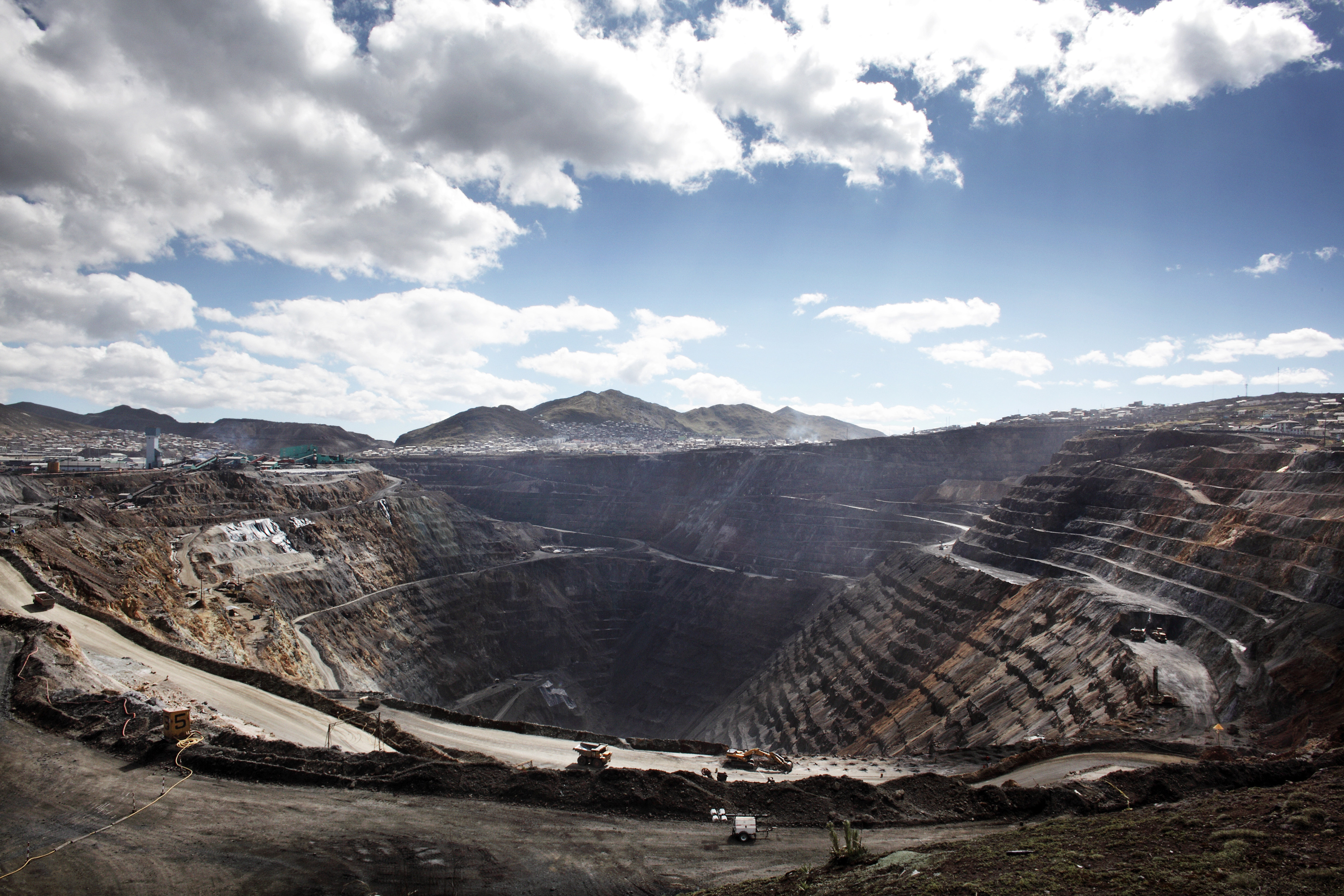
For us, the Policy represents a recognition that environmental destruction and human suffering are inseparable in many conflict and extraction zones and a potential avenue for victims to have environmental harm included in criminal proceedings and reparations – for example through ecosystem restoration, rehabilitation of water sources or compensation for the loss of land-based livelihoods.
“This is really a historic step! It is almost 20 years since we advocate for environmental crimes to be considered under the Rome Statute as Crimes Against Humanity, and this is a crucial step in that direction. I would say probably the biggest step in that direction in history, and we cannot be happier about it -. commented Flaviano Bianchini, founder and director of Source International - Now it comes the real challenge. Enforce it! But we are ready to do so with all our energy!”.
Photos taken by Stefano Sbrulli for Source International