Barcelona, June 2026
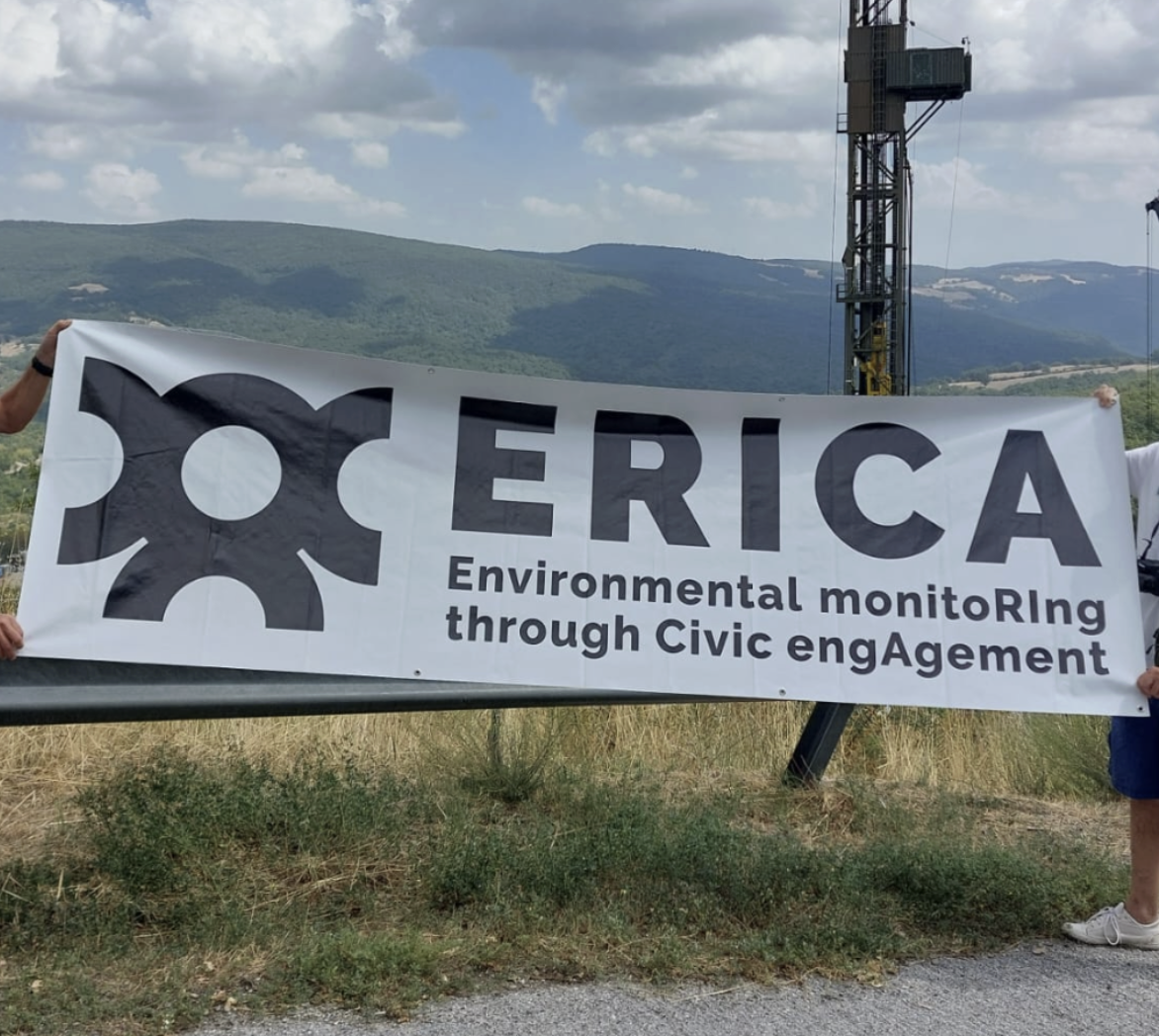
The ERICA project will be presented at POLLEN 2026, highlighting how citizen science can support participatory environmental monitoring in fossil fuel extraction contexts.
The POLLEN 2026 conference, held in Barcelona, brings together scholars and practitioners in political ecology to explore different approaches to environmental challenges and social justice. Within this context, ERICA strongly resonates with the conference’s focus on participatory methods, knowledge co-production, and the analysis of power relations in environmental governance.
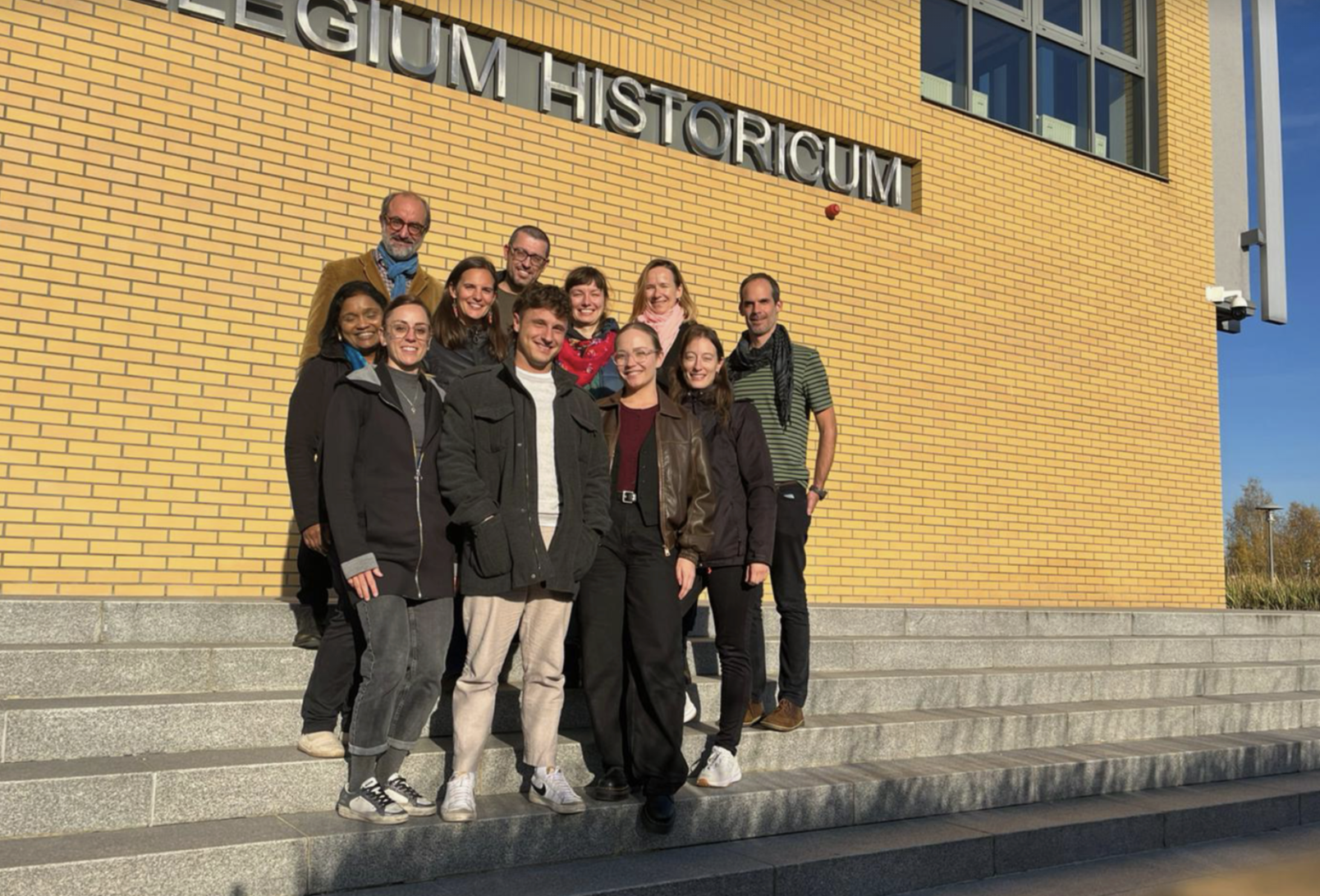
ERICA, an Erasmus+ project led by an international consortium, contributes to these debates by developing a framework for participatory environmental monitoring grounded in citizen science principles. The project aims to raise citizens’ awareness of the impacts of fossil fuel industries, strengthen their understanding of environmental issues, and support their active participation in monitoring processes. Through ERICA’s approach, adult citizens are provided with training and accessible tools that enable them to acquire actionable knowledge and become more actively engaged in environmental monitoring.
The conference offers an important opportunity to reflect on how ERICA’s activities, implemented across pilot sites in Tarragona, Spain; Val d’Agri in Basilicata, Italy; and Eastern Wielkopolska, Konin, Poland, respond to different local socio-political contexts while fostering collaboration between academia and civil society. In particular, ERICA’s approach underlines the importance of integrating local knowledge, addressing environmental conflicts, and strengthening civic engagement in environmental monitoring processes.
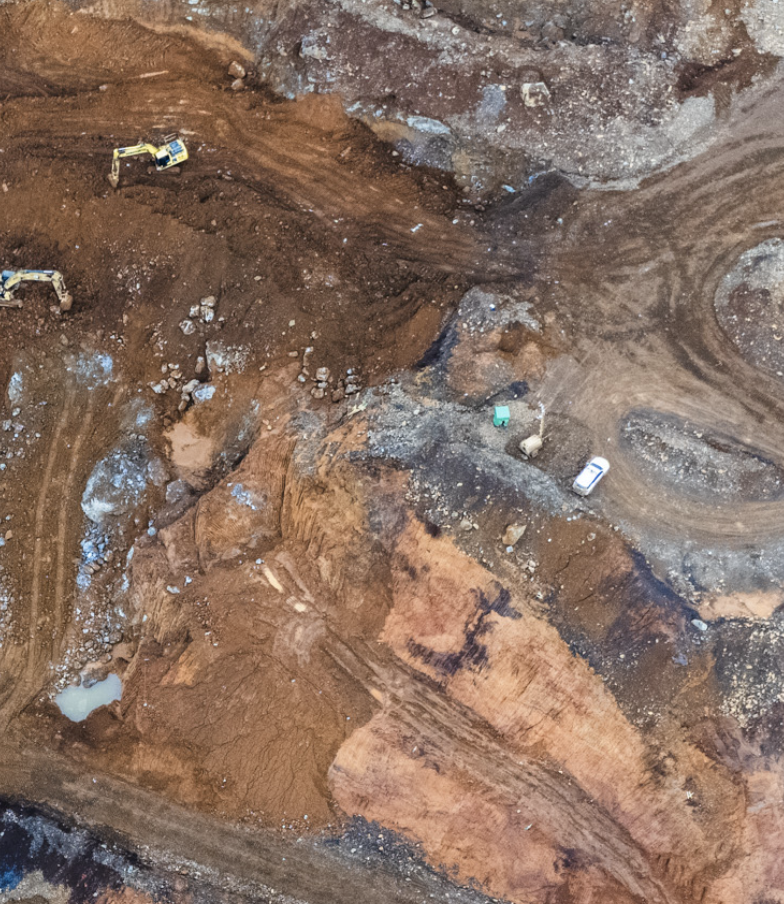
The paper developed for the conference will examine how the ERICA project has been implemented across the partner sites, all of which are affected by the environmental and health impacts associated with different fossil fuel–related industries. These contexts include the petrochemical complex in Tarragona, oil extraction in Corleto Perticara, and coal mining in Konin.
Given that each site is shaped by specific social, political, and historical dynamics, as well as distinct trajectories of citizen science and conflicts with industrial actors, the ERICA framework for environmental monitoring has been adapted to each local context. This adaptation has been achieved through co-creation as a research method.
Based on this experience, the paper proposes to discuss: 1) how different social, political, and cultural dynamics influenced the co-creation process, leading to the specific design and implementation of ERICA’s framework for participatory environmental monitoring; 2) how the politics and legacies of local conflicts with companies influenced the quality of engagement in citizen science; and 3) how the visibility or invisibility of environmental harms shapes actions focused on civic environmental monitoring.
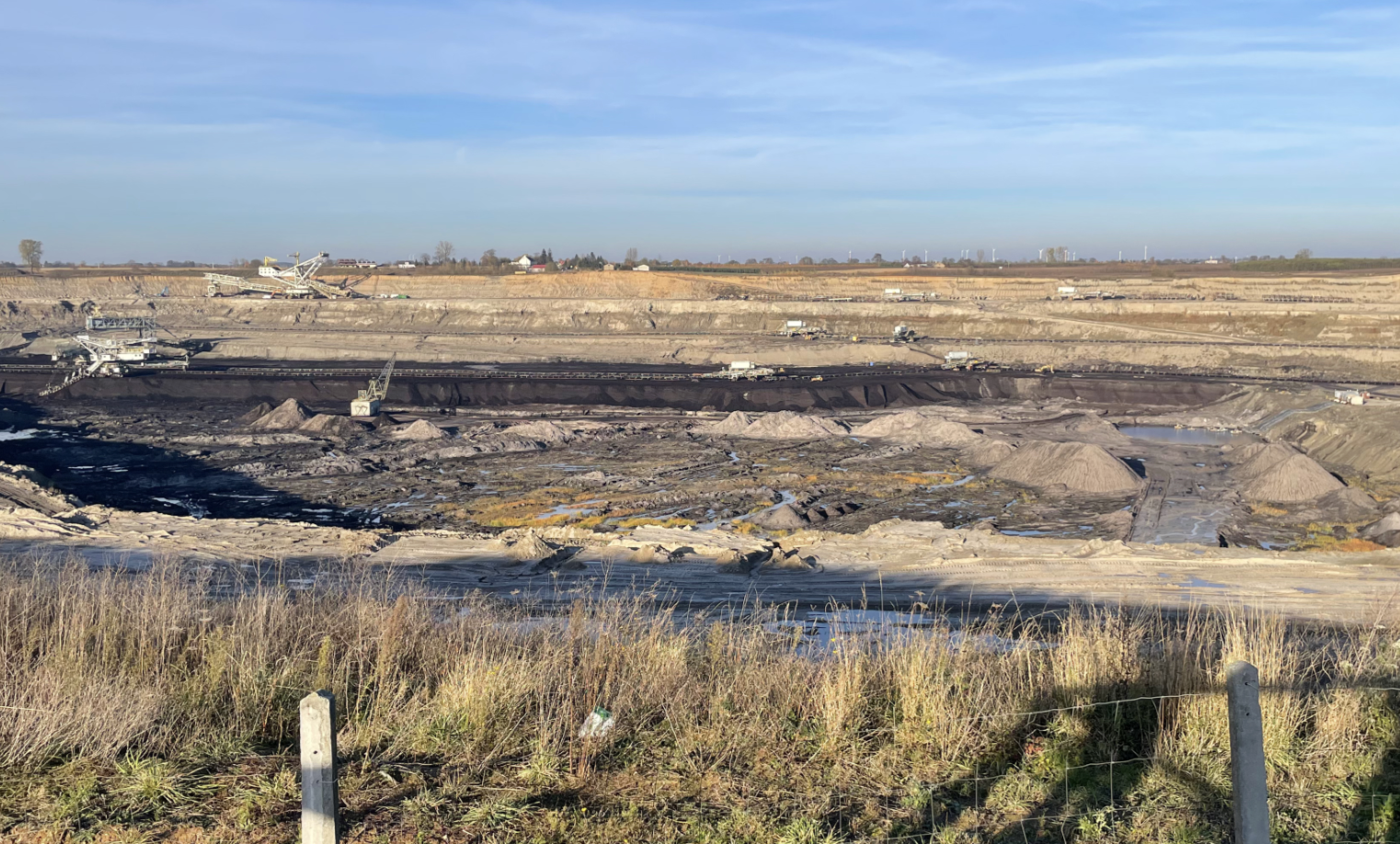
Drawing on ethnographic data collected through focus group interviews in Konin, Corleto Perticara and Tarragona, the paper argues that citizen science principles can help contextualise participatory environmental monitoring within the histories, legacies, politics, and cultural and social specificities of each local site.
For media enquiries or further information about ERICA, please contact us at info@ericaproject.eu or visit the project website at www.ericaproject.eu.
ERICA project - Ref.: 2023-1-NL01-KA220-ADU-000154929
The EU Commission support for the production of this publication does not constitute endorsement of the contents which reflects the views only of the authors, and the Commission cannot be held responsible for any use which may be made of the information contained therein.